January 15, 2026
USMAG Team
Wedding Tips
Top Wedding Photography Tips for Your Big Day
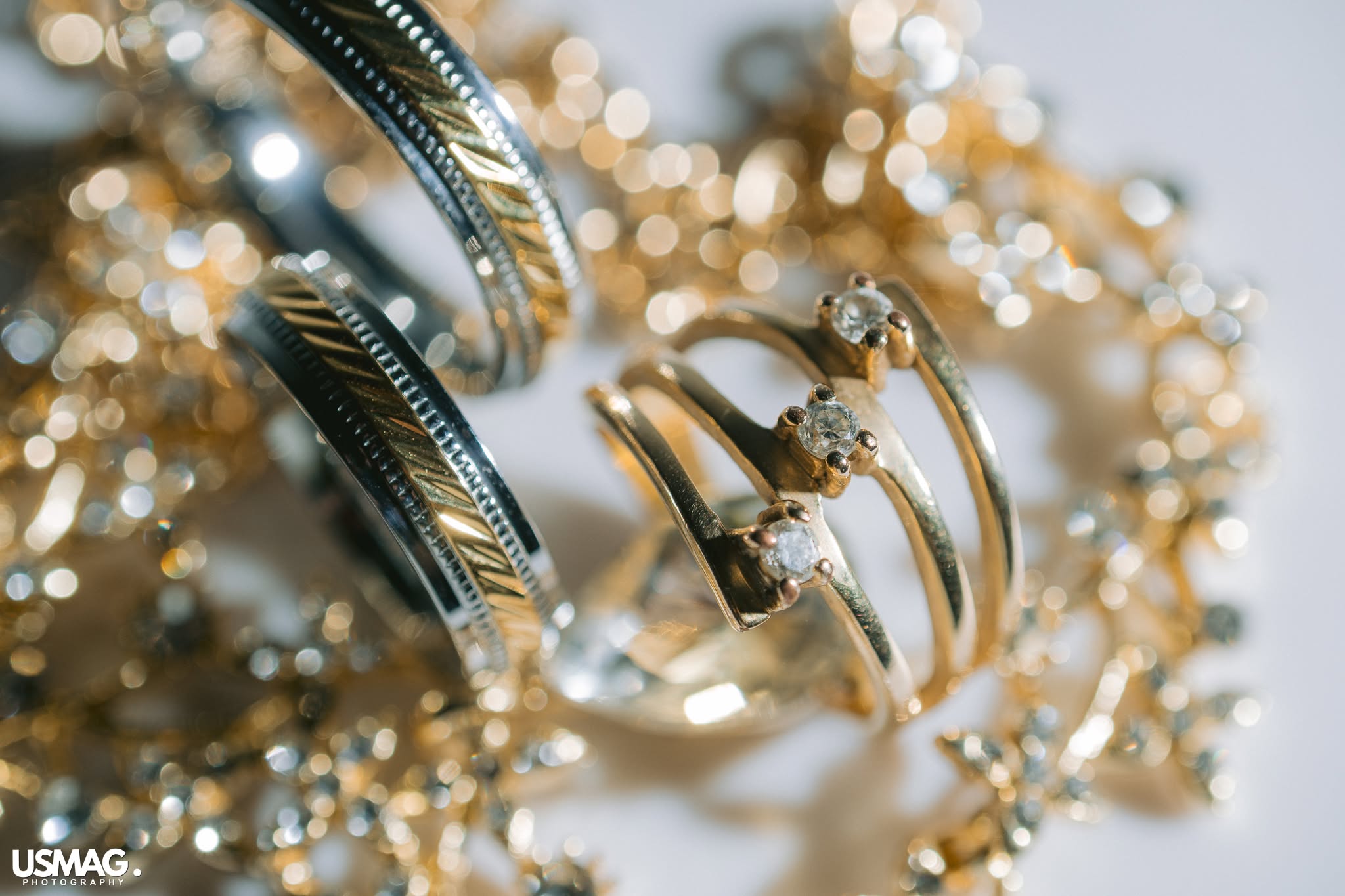
Your wedding day is one of the most important days of your life, and capturing those precious moments requires careful planning and collaboration with your photographer. At USMAG PHOTOGRAPHY, we've compiled our top tips to help you get the most beautiful wedding photos possible.
1. Plan Your Timeline Carefully
A well-planned timeline is the backbone of great wedding photos. We recommend setting aside at least 45 minutes for getting-ready shots (details like the dress, rings, and invitations), one hour for the ceremony and family formals, another hour for the couple's portrait session during golden hour, and full coverage of the reception from entrances to the final dance. Share your full schedule with your photographer at least two weeks ahead so they can anticipate key moments and position themselves accordingly.
One common mistake couples make is trying to fit too many locations into one day. Each time you move venues you lose at least 20-30 minutes of shooting time. Be realistic about what you can cover and trust your photographer when they advise you on timing. A relaxed timeline produces natural, candid images — a rushed one leads to stiff poses and stressed expressions.
2. Choose the Right Locations
The venue sets the mood for your entire album. When scouting locations, pay attention to three things: lighting, background variety, and accessibility. A venue with large windows that let in natural light, a garden with shaded areas, and an indoor space with neutral walls gives your photographer the versatility they need to create diverse images without moving far.
Visit your chosen locations at the same time of day your wedding will take place. That way you can see exactly where the sun will be and plan your portrait sessions around the best light. Your photographer can help identify specific spots — a certain doorway that frames subjects beautifully, a staircase that works well for group shots, or a stretch of garden that catches the late-afternoon glow.
"The best wedding photos come from couples who are relaxed, prepared, and trust their photographer. Communication is key." — USMAG PHOTOGRAPHY
3. Consider Your Outfits
Your wardrobe choices have a huge impact on how your photos turn out. Solid colors, pastels, and earth tones photograph best — they keep the focus on your faces rather than competing for attention. Avoid large logos, busy patterns, and neon shades that can create unwanted color casts on skin tones.
For brides, a dress with good structure and movement creates dynamic images. Trains, flowing skirts, and veils add visual interest to both posed portraits and candid action shots. For grooms, a well-fitted suit in a classic color like navy, charcoal, or light gray always photographs well.
4. Trust Your Photographer
You hired a professional because you value their expertise, so let them lead. Many couples feel nervous in front of the camera, and that is completely normal. A good photographer will guide you through every pose, tell you exactly where to stand, and help you relax with conversation and direction. The more you trust the process, the more authentic your expressions will be.
Candid moments — the tears during the vows, the laughter during speeches, the quiet glances between you and your partner — are often the most treasured images in any album. These cannot be staged. They happen naturally when you are fully present and not worrying about the camera.
5. Lighting is Everything
Lighting is the single most important factor in photography, and natural light is almost always the most flattering. The hour after sunrise and the hour before sunset — known as golden hour — bathes everything in a warm, soft glow that smooths skin and adds a magical quality to images. If your schedule allows, plan your couple portrait session during this window.
Ready to capture your wedding day beautifully? Book with USMAG PHOTOGRAPHY and let us tell your love story through stunning photography.
January 8, 2026
USMAG Team
Prenup Guide
How to Prepare for Your Prenup Photoshoot
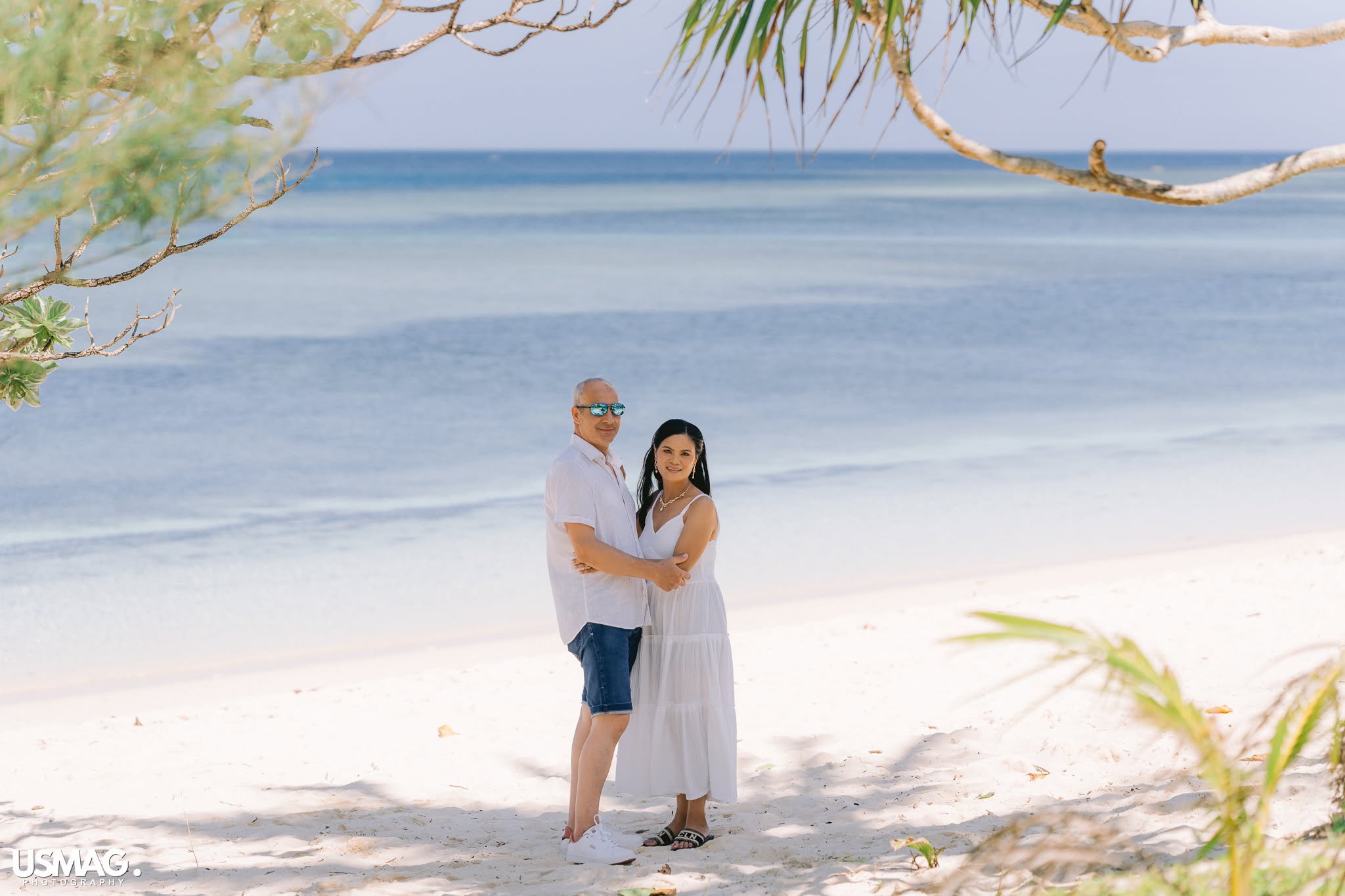
A prenup photoshoot is one of the most exciting parts of the wedding journey. It is your chance to step away from the planning stress, dress up, and simply enjoy being together with your partner while a camera captures your love story. At USMAG PHOTOGRAPHY, we have guided hundreds of couples through this experience, and preparation is the key to making your session feel effortless and fun.
1. Choose a Meaningful Location
The location sets the tone for your entire prenup album. Think about places that hold significance in your relationship — the beach where you first said "I love you," the park where you used to walk together, or even the city street where you had your first date. When a location is personal, your emotions come through naturally in every frame.
If you do not have a specific meaningful spot, choose a location that matches your personalities. Love the outdoors? A mountain overlook or a flowering garden makes a stunning backdrop. Prefer something urban? Rooftop bars, brick alleyways, and modern architecture create edgy, stylish images. Your photographer can recommend locations based on the look and feel you want to achieve.
2. Coordinate Your Outfits
Coordinating outfits does not mean wearing the same color. Instead, choose a complementary color palette of two to three shades that work well together. Neutrals like cream, tan, olive, navy, and blush photograph beautifully and keep the focus on your faces. Avoid loud logos and busy patterns that distract the eye.
Bring at least two outfit changes — one casual and one formal. This gives your album variety and lets you express different sides of your relationship. A relaxed coffee shop look with jeans and a flowy dress feels intimate, while a formal gown and suit combination adds elegance. Do not forget comfortable shoes for walking between locations.
3. Timing and Lighting
Golden hour — the hour before sunset — provides the most flattering natural light for outdoor prenup shoots. The warm, diffused glow eliminates harsh shadows and gives your skin a natural radiance. Schedule your session so that you are shooting during this window, and plan to arrive at least 15 minutes early so you can settle in before the camera starts clicking.
If your schedule only allows a midday shoot, do not worry. Your photographer knows how to work with harsh light by finding open shade, using reflectors, or creating silhouetted shots that look artistic and intentional. Trust their expertise no matter the time of day.
4. Relax and Be Yourselves
The most common concern couples share is feeling awkward in front of the camera. Here is the truth: your photographer will guide you through every pose, from where to place your hands to how to angle your faces for the best light. You do not need to be models. The best prenup photos are the ones where you forget the camera is even there — laughing at an inside joke, walking hand in hand, or stealing a quiet kiss.
Bring something that helps you relax. Play your favorite song during a walking shot. Bring a bottle of wine or a picnic blanket. These small props give you something to focus on besides the lens and create candid, genuine moments that become the heart of your gallery.
5. Trust the Process
Your photographer has done this many times before. They know what angles work, how to pose couples of all shapes and sizes, and how to make you feel comfortable. Listen to their direction, but also speak up if something does not feel right. The best results come from collaboration between you and your photographer. With the right preparation, your prenup session will be a joyful memory you will look back on fondly — long before you even see the final photos.
Ready to book your prenup session? Contact USMAG PHOTOGRAPHY and let us create beautiful memories together.
December 22, 2025
USMAG Team
Event Ideas
Best Event Photography Ideas to Try
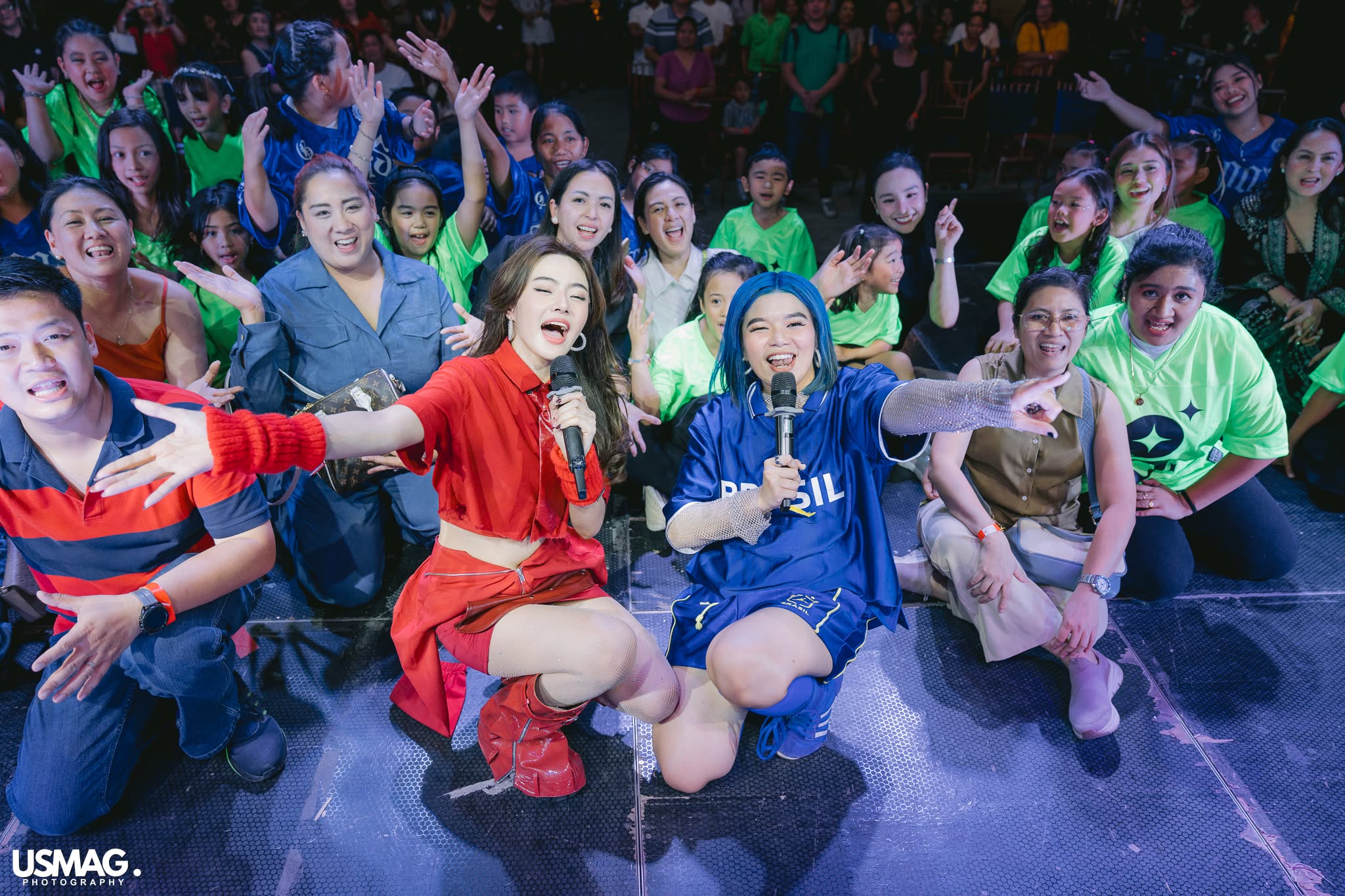
Event photography goes far beyond pointing a camera at a stage and hoping for the best. Whether you are covering a corporate conference, a product launch, a live concert, or a community gathering, the right approach can turn a standard documentation job into a portfolio-worthy collection of images. Here are creative techniques to elevate your event coverage.
1. Capture the Details
Event photography is not just about speakers and crowds. Some of the most compelling images come from the small details — the neatly arranged name cards on a conference table, the texture of a floral centerpiece, the branding on a welcome banner, the condensation on a glass of champagne. These establishing shots set the scene and tell the full story of the event.
Use a macro lens or a lens with close-focusing capability to capture textures and patterns. A wide aperture (f/2.8 or wider) isolates these details from the background, giving them an artistic quality. Shoot from unusual angles — directly overhead, at table level, or through foreground elements like glassware or foliage — to add visual variety to your gallery.
2. Master Candid Portraits
Candid portraits capture the energy and emotion of an event better than posed group shots ever can. Watch for genuine moments: a hearty laugh during a conversation, a focused expression during a workshop, a warm handshake between colleagues. Use a telephoto lens (70-200mm) to capture these moments from a distance without intruding on the scene.
Position yourself in high-traffic areas like the registration desk, the coffee station, or the networking lounge. These are where natural interactions happen. Keep your camera ready and your settings pre-adjusted so you can shoot instantly without fumbling with controls. The key is anticipation — train your eye to recognize moments before they peak.
3. Use Creative Lighting
Events often have challenging lighting conditions — mixed color temperatures, dark stages, bright projectors, and harsh overhead fluorescents. Rather than fighting these conditions, use them creatively. Silhouettes against a bright projection screen, rim-lit subjects against a dark background, and dramatic shadows from directional stage lighting all produce striking images.
Off-camera flash with a diffuser is essential for indoor events. Bounce your flash off ceilings or walls for soft, even light that looks natural. For concerts and performances, embrace the colored stage lighting — it adds mood and energy that flat, corrected lighting cannot replicate.
4. Tell a Story Through Your Sequence
A great event gallery is more than a collection of individual photos — it is a visual narrative that takes the viewer through the arc of the event from beginning to end. Start with venue exteriors and empty-room establishing shots. Move through registration and pre-event networking. Cover the main program with keynote speakers, performances, and audience reactions. End with closing moments, attendee departures, and behind-the-scenes shots of the team packing up.
This storytelling approach transforms your gallery from a simple record into a compelling document that event organizers can use for marketing, recap videos, and social media promotion long after the event is over.
Need professional coverage for your next event? Book USMAG PHOTOGRAPHY and let us capture your occasion beautifully.
December 10, 2025
USMAG Team
Style Guide
What to Wear for Your Photoshoot
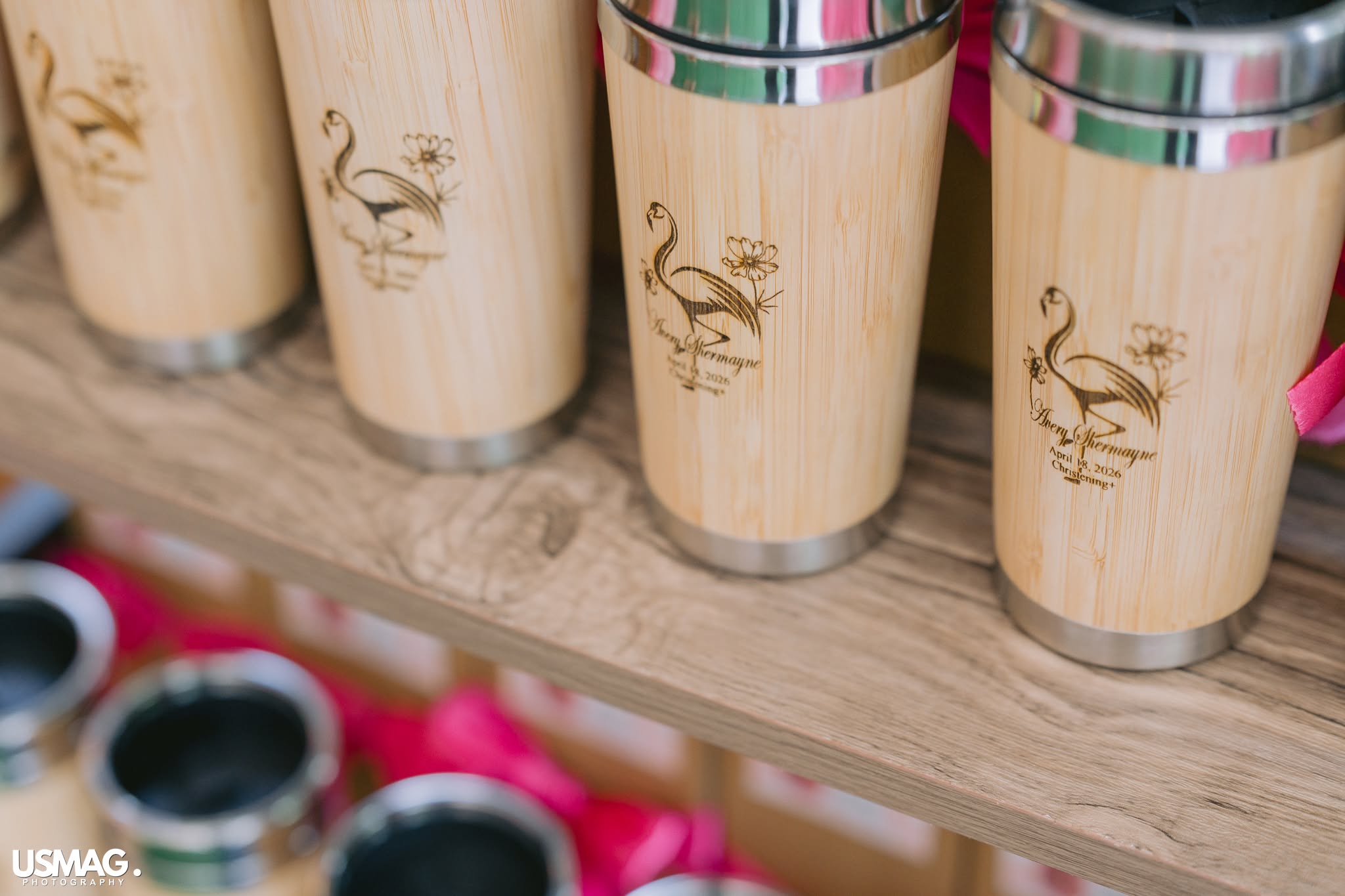
One of the most common questions we hear from clients is, "What should we wear?" The right outfit can make you feel confident and comfortable, and it shows in every photo. Here is a comprehensive style guide to help you choose the perfect look for your session with USMAG PHOTOGRAPHY.
1. Start with a Color Palette
Rather than matching exactly, choose a color palette of two to four complementary shades. Earth tones — olive green, rust, cream, camel, and navy — photograph beautifully in almost any setting. Pastels like blush, lavender, and soft blue work well for romantic or spring-themed shoots. Jewel tones like emerald, burgundy, and sapphire add richness and depth for formal sessions.
Avoid all-black or all-white outfits for both people unless you are intentional about the aesthetic. All-black can lose detail and blend into shadows, while all-white can wash out in bright light. If you love those colors, balance them with contrasting accessories or have one person wear a neutral tone while the other wears the bold color.
2. Mind the Patterns
Small, subtle patterns like pinstripes, micro-checks, and floral prints can add visual interest without overwhelming the frame. Avoid large logos, bold lettering, busy geometric patterns, and neon colors that draw attention away from your face. If one person wears a pattern, keep the other in a solid color to maintain balance.
Texture is your friend. Linen, lace, knits, velvet, and denim add depth and dimension to photos that flat, shiny fabrics cannot match. Fabrics with a bit of weight also drape better and photograph more flatteringly than thin, clingy materials.
3. Dress for the Location
Your outfits should complement your chosen location, not fight against it. A flowing dress and linen suit look natural on a beach or in a field. Edgy leather and denim work well for urban cityscapes. Formal gowns and suits fit elegant ballroom or architectural settings. Think about how your clothing moves and interacts with the environment around you.
Footwear matters too, even if your shoes will not be visible in every shot. The way you stand and carry yourself changes with the shoes you are wearing. Comfortable shoes that fit well help you relax and stand naturally. Bring a pair of dress shoes for formal shots and comfortable walking shoes for moving between locations.
4. Grooming and Finishing Touches
Get your hair cut or styled a week before the shoot, not the day before. This gives everything time to settle into a natural look. For makeup, go for a polished but natural look that enhances your features without heavy caking. Professional makeup is designed to photograph well, so consider hiring a makeup artist if your budget allows.
Pay attention to nails, especially for close-up shots of hands holding each other or rings. Make sure clothes are ironed, shoes are polished, and lint rollers are used on dark fabrics. These small details make a big difference in the final images and show that you put thought and care into your session.
Bring a backup outfit. Even if you are sure about your first choice, having a second option gives you flexibility if the lighting, location, or your mood calls for a change. Most importantly, wear something that makes you feel like the best version of yourself. When you feel great, you look great — and that confidence shines through in every photograph.
Ready to schedule your shoot? Book with USMAG PHOTOGRAPHY and we will help you plan the perfect look.
November 28, 2025
USMAG Team
Advice
Why Hire a Professional Photographer
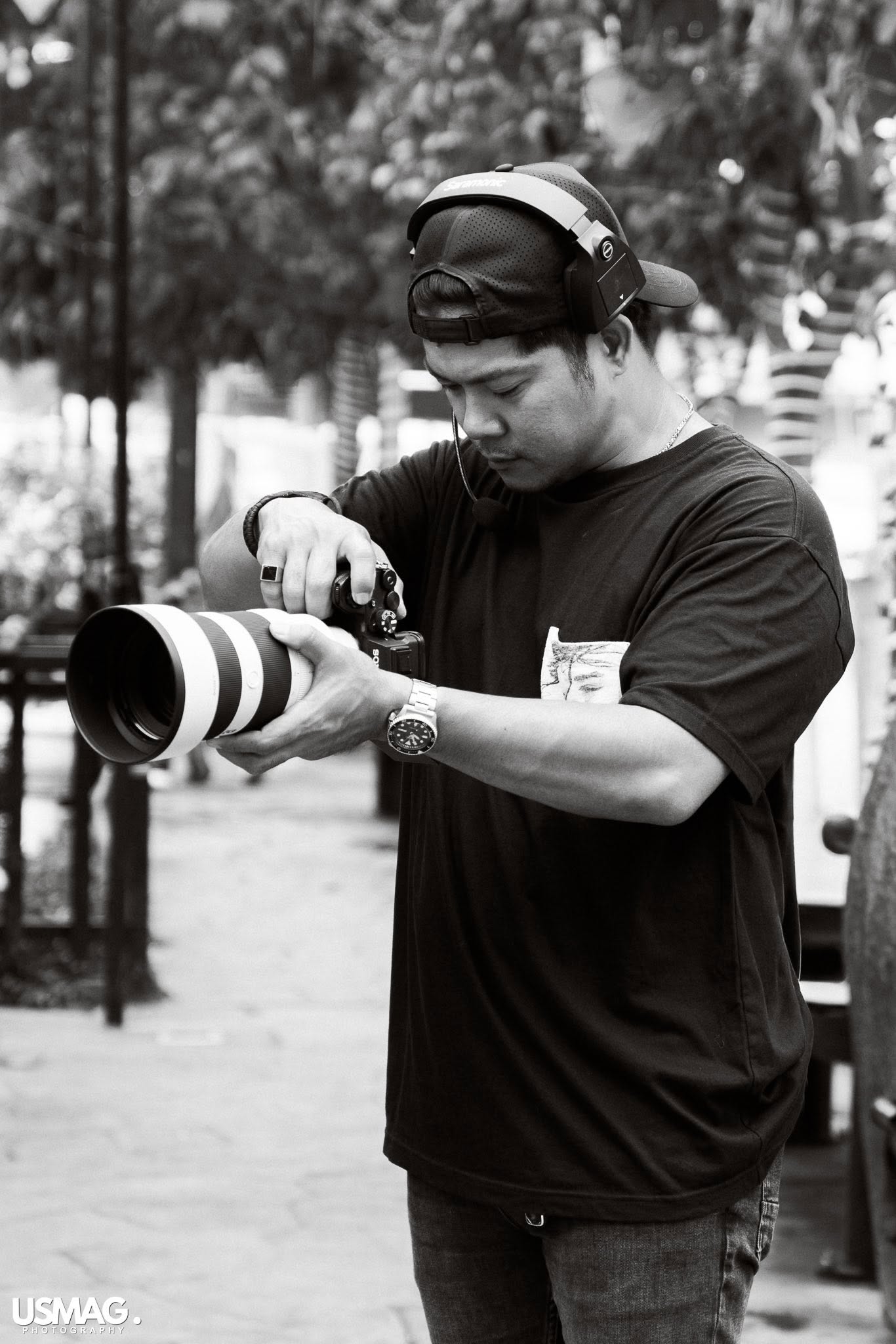
With smartphone cameras becoming more powerful every year, it is tempting to think you can skip hiring a professional photographer. After all, modern phones can shoot in 4K, offer portrait modes, and even use computational photography to improve low-light shots. But there are fundamental differences between a phone snapshot and a professionally crafted image that go far beyond megapixel counts.
1. Equipment Matters
Professional cameras use sensors that are physically much larger than phone sensors, which means they capture significantly more detail, dynamic range, and color information. This difference becomes obvious in low light, where phone photos become noisy and soft while professional images remain clean and sharp. Professional lenses also allow for optical zoom, shallow depth of field (that beautiful blurry background effect), and distortion-free architecture shots that phone cameras simply cannot replicate.
Beyond the camera body, professionals carry backup equipment — multiple camera bodies, a range of lenses, flashes, triggers, diffusers, and spare batteries. If a phone dies or breaks during a wedding, the moments are lost forever. A professional photographer arrives prepared for any technical failure.
2. Lighting Expertise
Understanding light is the most important skill a photographer brings to the table. A professional knows how to read natural light, position subjects for the most flattering angles, and supplement or replace ambient light with off-camera flash when needed. They can turn a harsh midday sun into a soft, portrait-friendly glow using diffusers and reflectors. They can light a dark reception hall to look warm and inviting rather than dim and gloomy.
Post-processing is just as important. A professional spends hours carefully editing each image — adjusting exposure, color grading, retouching blemishes, and composing crops — to ensure every photo in your gallery meets a consistent standard of quality. This is the invisible work that separates polished galleries from casual snapshots.
3. Experience and Instinct
A seasoned photographer has shot dozens or hundreds of events. They know where to stand during a ceremony to capture both the couple and the reactions of their families. They anticipate key moments before they happen — the ring exchange, the first kiss, the emotional toast — and position themselves accordingly. This instinct cannot be programmed into a phone.
Professionals also bring people skills. They know how to make nervous subjects feel at ease, direct large group photos efficiently, and handle demanding timelines without showing stress. On your wedding day, having a photographer who manages the flow of portraits with confidence and calm is invaluable.
4. The Memories Are Worth It
At the end of the day, you are not paying for equipment or software. You are paying for peace of mind and lasting memories. Your wedding, your debut, your milestone celebration — these events happen once. The photographs are the only tangible record you will have to look back on years from now. Investing in a professional ensures that those memories are preserved with the care, artistry, and quality they deserve.
When you look at your wedding album twenty years from now, you will not remember the cost. You will remember the feelings those images bring back. That is why professional photography is not an expense — it is an investment in your legacy.
Ready to invest in memories that last a lifetime? Book USMAG PHOTOGRAPHY today.
November 15, 2025
USMAG Team
Equipment
Essential Photography Equipment Guide
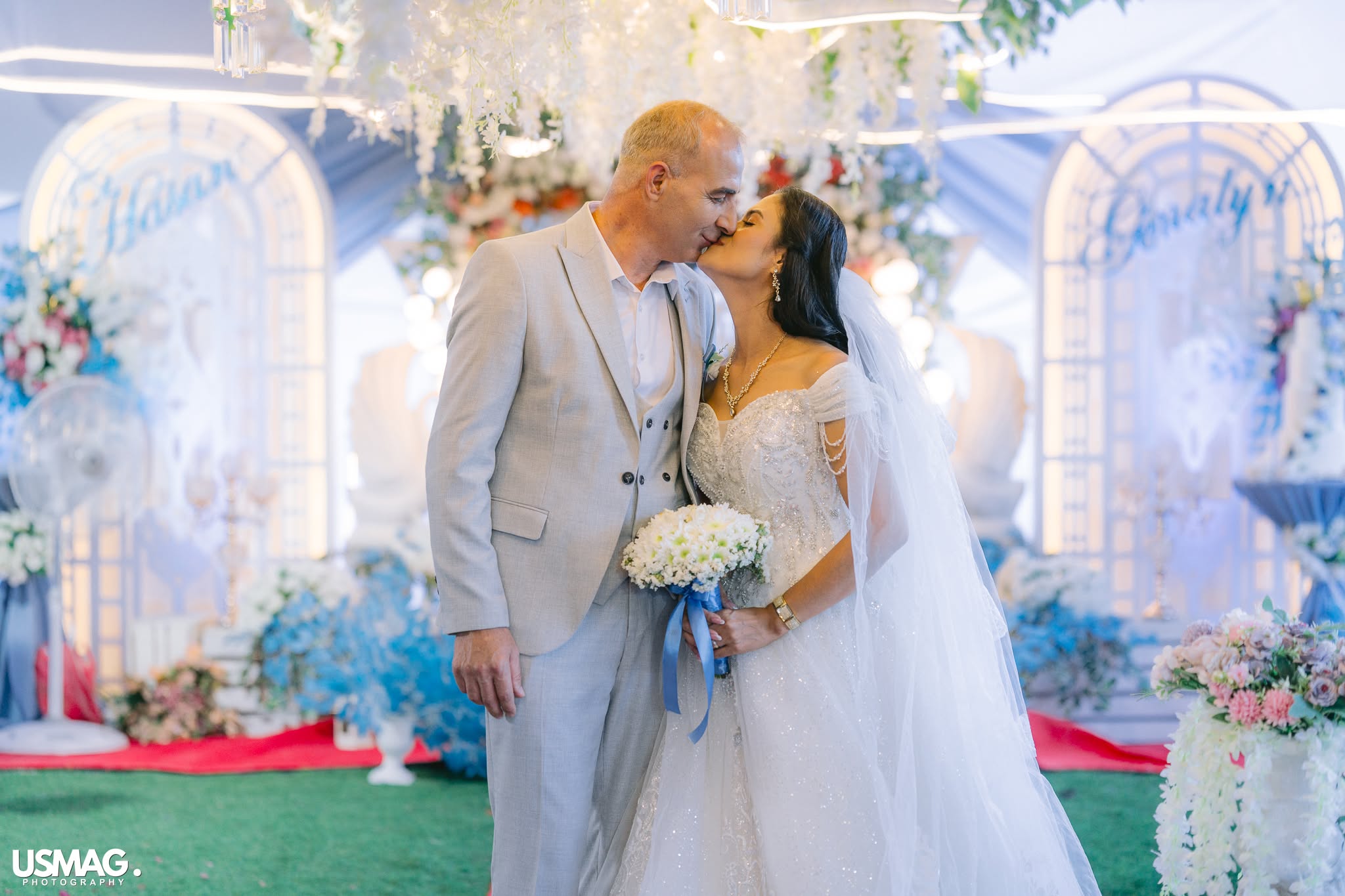
Ever wondered what goes into creating those stunning wedding and event photos? Behind every beautiful image is a carefully chosen set of equipment that allows the photographer to adapt to any situation. At USMAG PHOTOGRAPHY, we rely on professional-grade gear that delivers consistent, high-quality results in every condition. Here is a look inside our camera bags.
1. Camera Bodies
We use full-frame DSLR and mirrorless camera bodies with dual card slots. Full-frame sensors provide superior dynamic range, low-light performance, and color depth compared to crop-sensor cameras. Dual card slots are non-negotiable for professional work — they write every image to two memory cards simultaneously, providing an instant backup in case one card fails.
We always carry at least two camera bodies to every shoot. One serves as the primary and the other as an immediate backup. This allows us to have different lenses ready on each body for quick switching without missing a moment, and ensures that if one camera malfunctions, the coverage continues without interruption.
2. Lenses
A professional lens collection covers every focal length needed for event coverage. A 24-70mm f/2.8 zoom is the workhorse — versatile enough for group portraits, environmental shots, and detail close-ups. A 70-200mm f/2.8 telephoto zoom captures candid moments from a distance during ceremonies and speeches without being intrusive. A 35mm or 50mm prime lens with a wide aperture (f/1.4 or f/1.8) delivers stunning portrait quality with beautiful background separation.
For wide-angle shots of venues and large groups, a 16-35mm lens is essential. Macro lenses (100mm f/2.8) capture extreme close-ups of rings, invitations, and floral details with incredible sharpness. Each lens serves a specific purpose, and choosing the right one for each moment is part of the expertise a professional brings.
3. Lighting Equipment
Natural light is beautiful, but a professional must be prepared for any lighting condition. We carry multiple off-camera flash units with radio triggers for reliable wireless control. Softboxes, umbrellas, and diffusers modify the flash output to create soft, natural-looking light that flatters subjects and eliminates harsh shadows.
LED video lights are essential for videography and for adding continuous fill light in dark environments. Reflectors (white, silver, gold, and translucent) are lightweight tools that bounce natural light onto subjects for a quick, beautiful fill. A good photographer can light any scene — from a dimly lit church to a bright outdoor field — with equal skill.
4. Support and Accessories
Sturdy tripods are used for long-exposure shots, group photos where the photographer needs to be in the frame, and video recording. Monopods provide stability for telephoto shots during ceremonies without the bulk of a tripod. Multiple high-capacity memory cards and batteries are organized and labeled so that we never run out of power or storage during a full-day event.
Laptop and external hard drives allow for on-site backup of images throughout the day. This means that by the time the event ends, your photos already exist in three locations — the camera cards, the laptop, and the external drive. This multi-layered backup system ensures that your precious memories are never at risk.
5. Software and Post-Processing
The gear does not stop at hardware. Professional editing software like Adobe Lightroom and Photoshop are used to color grade, retouch, and polish every image delivered to clients. We use calibrated monitors to ensure consistent colors across all devices, from prints to digital galleries. The post-processing workflow is where raw files are transformed into the finished art that ends up in your album.
Investing in professional equipment is not about having the most expensive gear — it is about having reliable, versatile tools that let us focus on creativity rather than technical limitations. When you hire USMAG PHOTOGRAPHY, you are not just hiring a photographer. You are hiring access to a complete professional production system.
Curious to see what our equipment can do? Browse our portfolio or book a session with USMAG PHOTOGRAPHY.